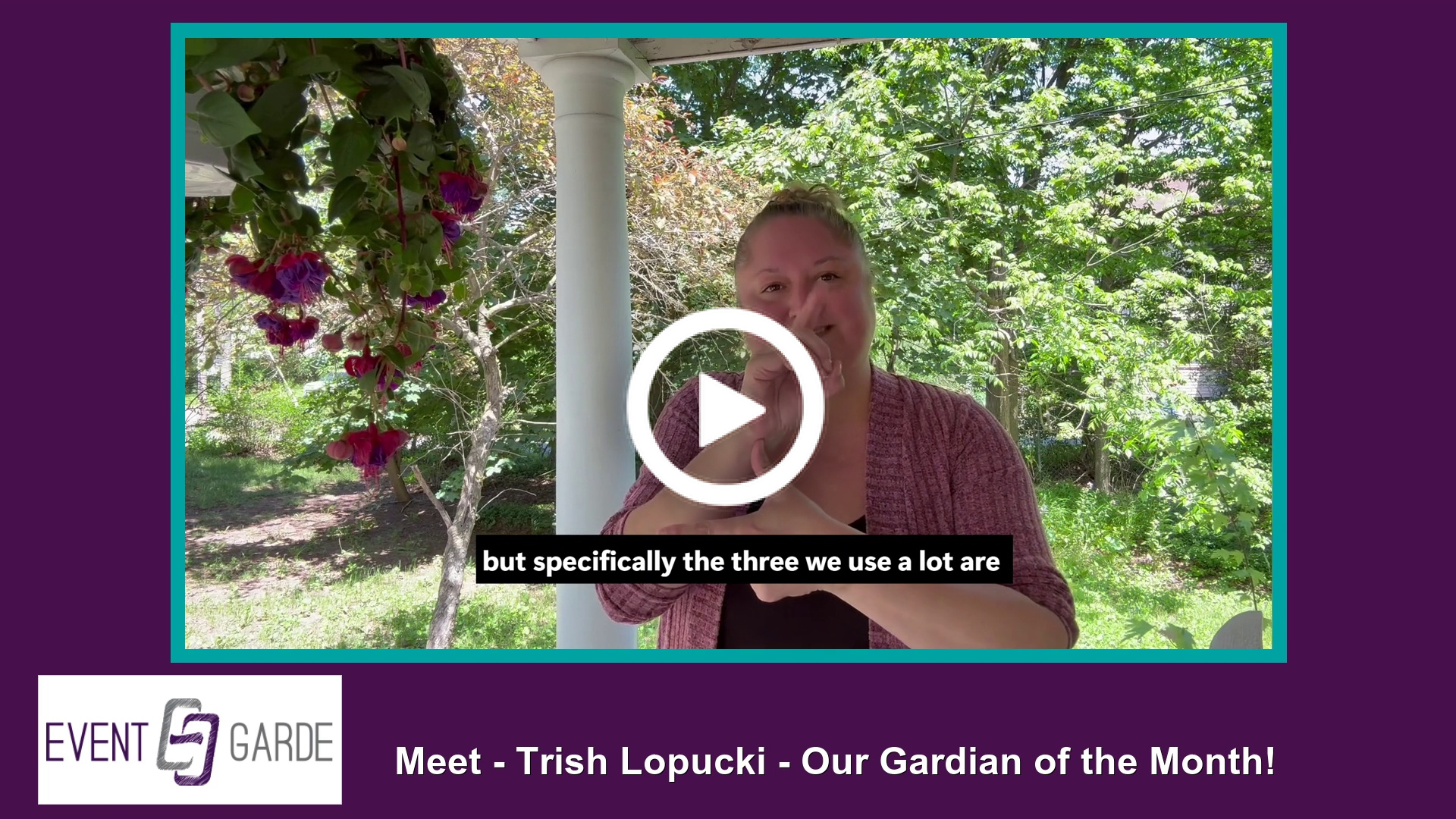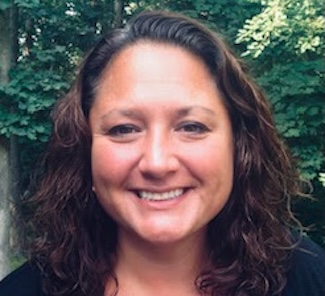
Our Gardian of the Month is Trish Lopucki, Co-Founder, Access Ability DHH.
EG: What is a topic you are currently interested in learning more about, but have yet to pursue?
TL: Having spent a majority of my life in school buildings, my horizons opened when starting a consultation business in 2023. It led me to think more intentionally about the design of adult learning (especially teachers!) and how we might deliver meaningful content in a more out-of-the-box way.
In 2025, we held our first Literacy Launch conference for instructors of Deaf students at a camp in Grand Rapids, Michigan, and we are greatly looking forward to our second conference this August!
Because of our “out of the ballroom” and “into the woods” setting, it has pushed us to think differently about vendors and sponsorships. We know there is a great deal to learn and explore in that space, but with limited examples of this type of conference environment within our field, we need to be intentional about carving out the time to pursue that learning more meaningfully.
EG: What are some effective strategies you use for initiating conversations at networking events?
TL: A phrase that has guided me in many situations – from networking to challenging conversations – is to “stay in inquiry.” Of course, it’s important to have information about yourself and your work ready to share, but I think the more meaningful skill is staying genuinely curious about the person you’re meeting.
It takes practice to shift your mindset while someone is talking. Spend less time trying to figure out how your own experiences apply to their world, and more time paying attention to the details they’re sharing to form deeper questions. I’ve found that staying in inquiry creates space for possibilities you didn’t know were sitting in the room
EG: What is a challenge you have encountered applying new skills to your work and how did you overcome it?
TL: One challenge I’ve encountered in my work is recognizing that as a hearing person working in Deaf education, learning ASL was never just about learning another language – it was about learning it well, holding myself to a high standard, and understanding the responsibility that comes with working within a community and culture that are not my own.
But fluency alone can’t be the goal. Constant reflection about where you stand and how you show up are vital to shaping work if it is to be trusted. Our business believes deeply in Deaf-led work and curating environments where Deaf professionals are central. The ongoing work for us is practicing that reflection and always remaining aware of who we are in that space.
EG: Just for Fun - If you could have an all-expenses paid trip to anywhere in the world, where would you choose and why?
TL: I’m taking some liberties with the all-expenses-paid trip you’re offering me, but I’m living in the dream, so why not? I would love to do a global Deaf Schools field trip!
I would like to start in Paris, which houses the oldest Deaf school in the world (est. 1760), and learn more about French Sign (LSF) and its historical connections to ASL. Then I’d pop over to London and experience their school culture because British Sign (BSL) and ASL are incredibly different, despite both countries primarily speaking English.
I would also love to go back to Spain because I noticed Spanish Sign (LSE) included as a standard accessibility feature in many museums – more commonly than I’ve ever seen in the US. I would love to see how that kind of access translates to the classroom!
Oh no, I haven’t left Europe yet. I have so many more Deaf Schools on my itinerary!
EG: What is a resource that has been valuable to you in your work, and what makes you appreciate it?
Click the video below to see Trish's response!