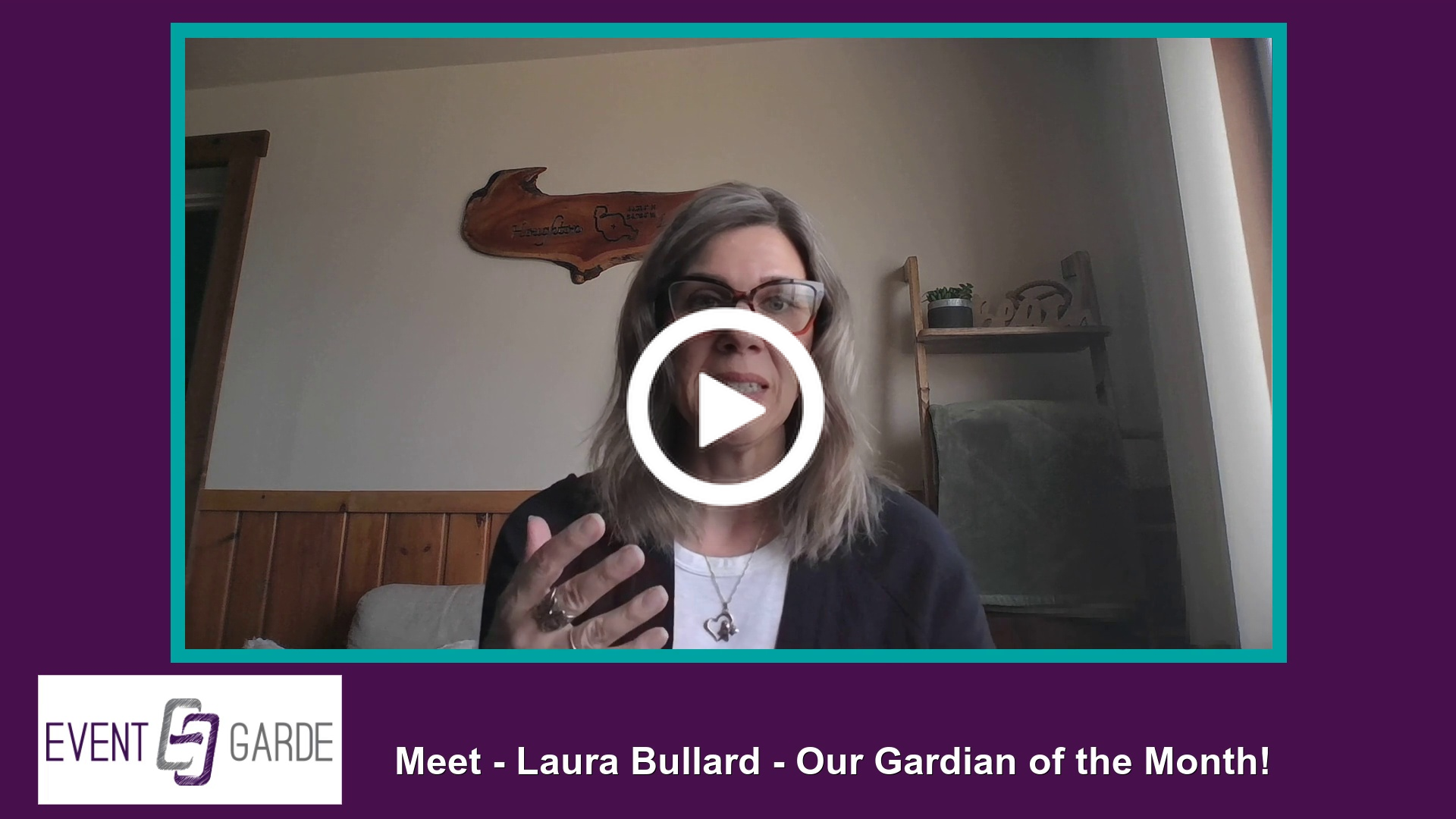
Our Gardian of the Month is Laura Bullard, Member Engagement & Academics Director for the Michigan Association of CPAs.
EG: What is a topic you are currently interested in learning more about, but have yet to pursue?
LB: I would like to learn more about the legislative side of my industry. When I say that, I am certainly not talking about wanting to be more involved in politics but since our association represents a profession that is licensed by the state, and 55 differing jurisdictions overall, there is a lot to learn about the policies and inner workings of the legislature and boards that make decisions impacting the license. Because I work closely with individuals working towards licensure, knowing more about what happens after they’re licensed would be beneficial.
EG: What are some effective strategies you use for initiating conversations at networking events?
LB: Networking events can cause anxiety for a lot of people. Even the most extroverted people can feel stressed when it comes to networking. I try to walk into any event remembering that a majority of the people there are either exhausted by or downright frightened by the thought of striking up conversations with people they don’t know.
To be clear, I don’t love it either, but I recognize that meaningful connections with others in the association world, people who align with our members’ interests or who may add value to my professional or personal life can’t happen without starting a conversation.
I tend to look for people I may recognize from other events as a way to ease into networking. That makes it easier to organically engage with others who may join the conversation or branch off into a separate discussion. If I don’t see anyone I recognize, I’ll usually approach someone who is standing by themselves, introduce myself, and ask whether they have attended events with the host organization before.
From there, I focus on learning more about them by asking questions such as what type of role they have, how they got into the field, and what interesting projects they are currently working on. I think that listening and being curious is much more important than talking. Ultimately, I’ve found that networking is less about promoting yourself and more about being genuinely interested in others, some of the best professional relationships often start with a simple conversation
EG: What is a challenge you have encountered applying new skills to your work and how did you overcome it?
LB: One challenge I encountered when I was a new leader was learning how to delegate more effectively which a necessary skill. Early on, I often felt responsible for ensuring every detail was completed correctly, specifically with projects I historically managed. This led me to taking on too much myself and it also did not give my team members a chance to grow.
It took a little while, but I recognized that effective leadership is not about doing everything yourself, but about providing clear expectations, and supporting others so they can be successful. I became more intentional about letting things go, delegating responsibilities, and allowing people the space to approach tasks in their own way.
I found that regular check-ins and open communication helped build confidence for both me and the team.
EG: Just for Fun - What is your favorite season and what brings you the most joy during that time of year?
LB: I love Fall! If I could find a place to live that would be Fall all year round, I would be content. The coziness of hoodies and sweaters, having the windows open and being just a bit chilly makes me so happy. The humidity is gone and the leaves are changing colors; there isn’t much about it that doesn’t bring me joy. And of course, there is college football and Halloween so it can’t get much better than that.
EG: What is a resource that has been valuable to you in your work, and what makes you appreciate it?
Click the video below to see Laura's response!