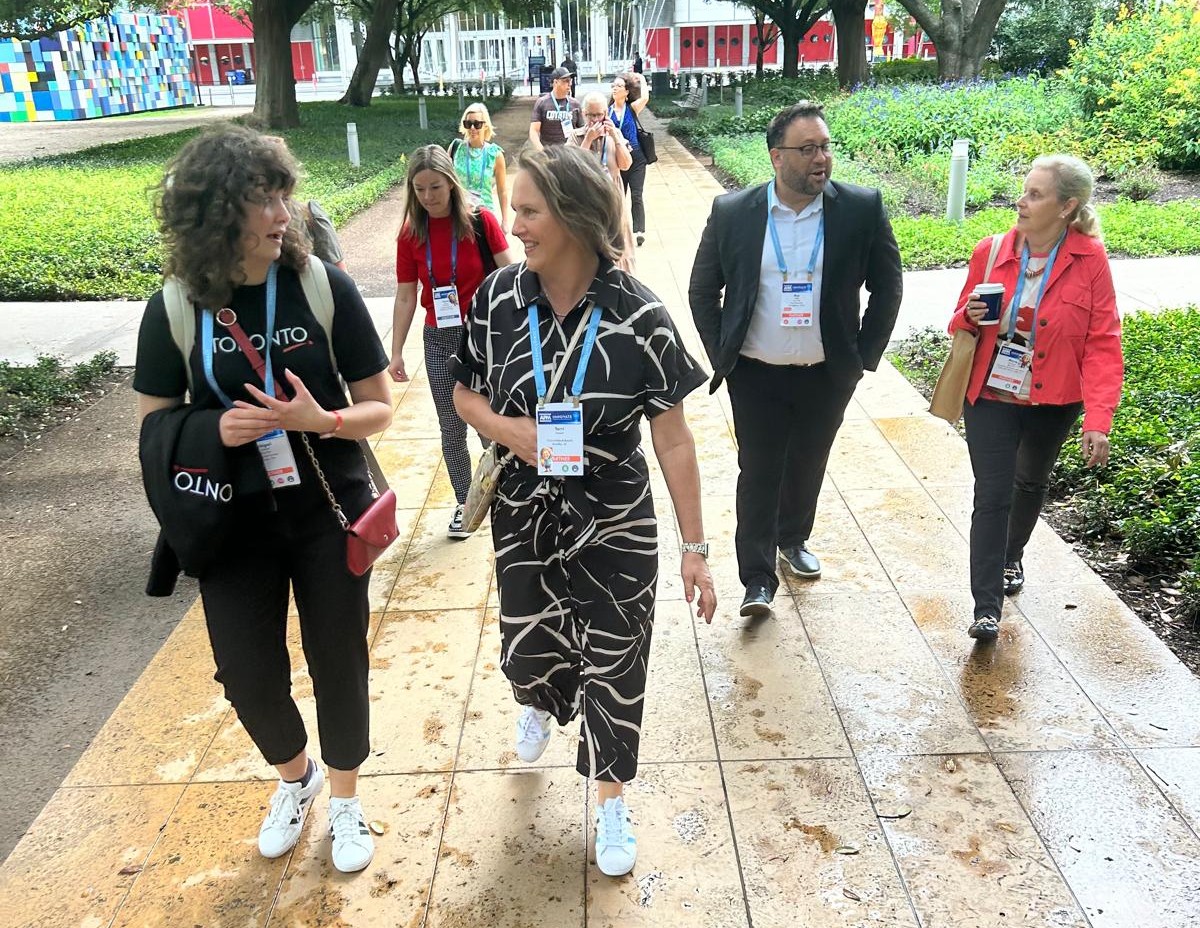
Across the association sector, wellness has earned a place on conference schedules. From quiet lounges to morning fitness sessions, planners are increasingly intentional about helping attendees recharge. Yet behind the scenes, the professionals creating these experiences are often managing demanding schedules, constant communication, and high-pressure execution cycles of their own.
For association leaders, it is important for wellness to extend beyond the conference floor. For that extension to become part of how the team works, communicates, and plans every day.
Small, repeatable practices can make a meaningful difference. Some examples:
These same principles can also shape better attendee experiences.
Rather than treating wellness as one additional activation, planners can consider the overall rhythm of an event. Are attendees moving from session to session without enough transition time? Is there space to step away from noise? Could a brief movement or breathing break be incorporated between longer sessions?
Simple adjustments such as longer transitions, quiet seating areas, hydration reminders, walking opportunities, or short guided resets can make wellness feel integrated rather than added on.
The goal is not to create another initiative or fill the agenda with wellness programming. It is to intentionally design both workplaces and events in ways that support energy, focus, and recovery.
Association professionals spend significant time thinking about how attendees should feel during an event. Applying that same intention to the people planning those experiences can help create healthier teams, stronger events, and more sustainable organizations.
---
Kristine Iverson is the Founder of CROW Practice, specializing in empowering wellness for meetings and events.